The Soul of Russia and India
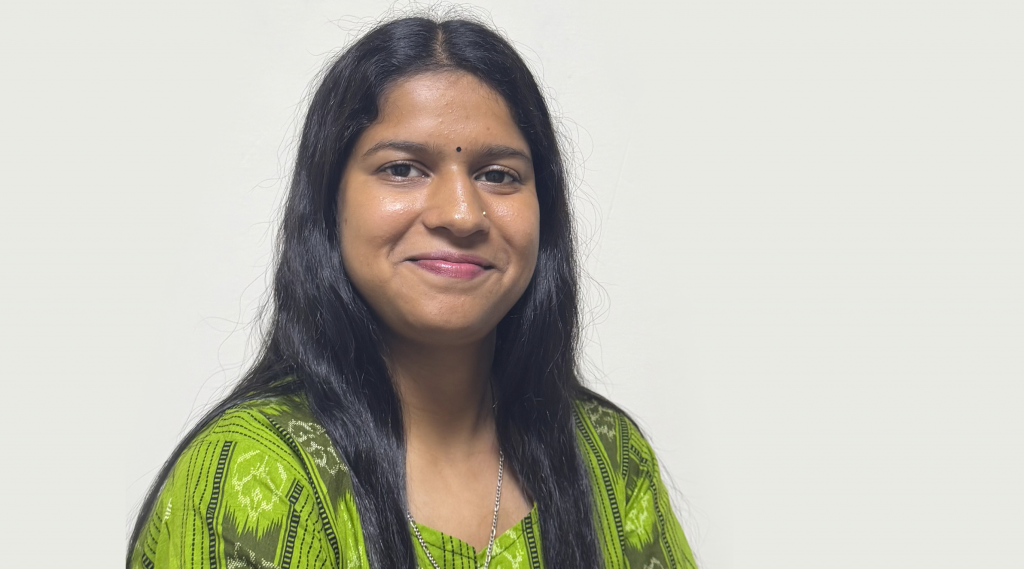
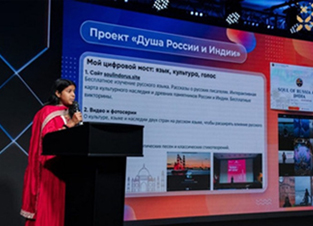
“The Russian language has no borders!” — this is how Sarika Kumari begins every public talk. She is a master’s student at Jawaharlal Nehru University and the author of the media project “The Soul of Russia and India.” The project, which recently won second place in the “Language of Peace” category of the Eurasia International Prize, introduces Indian youth to Russia through language, literature, music and live meetings. We present an interview with Sarika.
Sarika, how did your interest in the Russian language begin?
You could say that the Russian language came into my life through the history of my home state, Bihar, where Russian engineers helped build the steel plant in Bokaro. That fact inspired me.
You were inspired by a construction project, rather than Russian literature or music?
For me, the Bokaro plant was not just a construction site but living proof of friendship between two countries, and close to my home at that: Soviet engineers worked side by side with Indians. I realised that Russia means people who built the future alongside us. Literature and music came later, but it all started with this story.
Only later did I read stories by Pushkin, Chekhov and Gogol in Hindi — “The Station Master,” “The Death of a Government Clerk,” “The Overcoat” — and I wanted to read them in the original.
A translation conveys the plot, but not the sound of a word, its intonation and humour. In Gogol’s “The Overcoat” intonation is especially important, and in “The Station Master” it is the simplicity and precision of the word. I wanted to hear these voices as the authors created them. I believe that to study and understand any work, one must know the language, the culture and the real situation of the time.
What new things have you discovered in Russian literature? Whose work do you like most?
By studying Russian in depth, I discovered a whole world: the romanticism and realism of Russian literature. I love Pushkin, Gogol and Chekhov. But the writer closest to me is Dostoevsky and his novel “Crime and Punishment”: it speaks about conscience, responsibility, and a person’s choice between good and evil.
Where did you study Russian?
I graduated with honours (BA Hons) in Russian from Jawaharlal Nehru University in New Delhi, and I am continuing my master’s studies in the same field. My family supports me all the way. My brother is currently studying medicine at Crimean Federal University, so there is a connection with Russia in our family. During my bachelor’s degree, what I enjoyed most was studying Russian literature and singing Russian songs.
Do you use songs in your project “The Soul of Russia and India”?
Yes. In my experience, music and poetry above all help in mastering Russian: you can feel a song or a poem even when the language is still unfamiliar. Young people in India most like modern popular songs, for example “Matushka,” “Odnogo,” “Detstvo,” “Tolko ty i ya.” It is important to me to show another side of Russian music, so in my content I promote traditional and patriotic songs: “Nam nuzhna odna pobeda” (“We Need Just One Victory”), “Kon” (“The Horse”), “Kalinka.” I do not just perform a song; I also explain the words, the meaning and the history, so that listeners understand what they are singing about.
What motivates young people in India to learn Russian?
Not only an interest in Russian literature and history, but also a sense of closeness between the two cultures: respect for family, hospitality, and the memory of our countries’ friendship. For many of my peers, Russia is a country of international cooperation, and they gladly discover it as a living cultural space. The main motives of Indian students are getting a profession (translator, tour guide), future work in business and diplomacy, the chance to study in Russia, an interest in literature and culture, and the many years of friendship between our countries.
What techniques help engage people in learning the language?
First, using songs and poems instead of tables. The lines of the song “We Need Just One Victory” and the poem “I Loved You” are remembered faster than grammar rules.
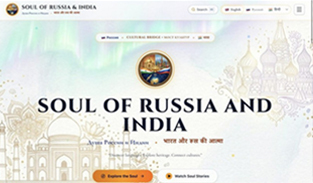
Second, our project’s website https://soulindorus.site offers free Russian lessons, stories about writers, an interactive map of Russian and Indian heritage, and quizzes in English, Russian and Hindi.
Third, short videos and photo series about the culture, language and heritage of the two countries, in Russian.
Fourth, live meetings at the Russian House in New Delhi: musical evenings, literary gatherings and photo contests. Schoolchildren, students, teachers, lovers of Russian and creative people of all ages come. The format is lively: I perform songs and poems, we talk, take part in contests and get to know each other. We compare cultures and find similarities, which removes the fear of a new language.
Fifth, I use my own videos and photo series about the culture and heritage of Russia and India. In addition, I regularly read articles on various topics on the TV BRICS portal: they help me put my thoughts into words and deepen my knowledge of Russia.
Who are the followers of your website, and where are they from?
They are schoolchildren, students of Russian, aspiring translators and lovers of Russian culture. Most viewers are from New Delhi and other Indian cities with universities and cultural centres, and there are viewers from Russia and other countries. My work has already inspired many people, and I believe it will inspire even more students to start learning Russian through interactive methods: songs, poems, quizzes, videos and the interactive heritage map. The project has 1,500 subscribers on YouTube and 900 friends on VKontakte, and the website https://soulindorus.site has a notable number of unique visitors from different countries who want to learn Russian and find out more about Russia.
How do your Russian partners support you?
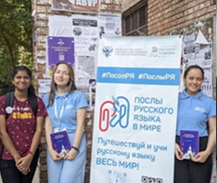
This support is mainly educational and organisational: the Russian House in New Delhi provides a venue for events and supports the community; the Russkiy Mir Foundation and Moscow Polytechnic University held the festival “Russia — My Soul,” where I received an official letter of thanks; the Pushkin Institute provides involvement in the “Ambassadors of the Russian Language in the World” programme; Minin University offers competitions and educational events; the All-Russian Academy of Foreign Trade provided translation practice at an exhibition in Delhi; and the Gorchakov Foundation made possible my participation in the “Dialogue for the Future” programme.
And how do you see your future?
I want to teach Russian and, alongside that, develop my project’s website and create new, interesting content about the Russian language and culture, so that more and more people discover Russia through its language.
What I like most is the moment when a person who has never heard Russian speech repeats a line of a song or a poem for the first time. It is a small bridge between two countries. I am inspired by the viewers’ words of gratitude, the support of teachers and friends, and the certainty that the Russian language has a great future in India.
In the near future I want to update the website, film a series “Russia: Regions and People” in Russian, English and Hindi, open a “Let’s Speak Russian” club for language learners in India, and hold poetry, song and photo contests. I would like to take part in TV BRICS’s international cultural-linguistic video bridges, because a language sounds best in live communication. The Russian language has no borders. Russia and India — together!
Website “The Soul of Russia and India”: https://soulindorus.site
|
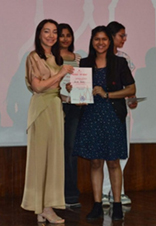
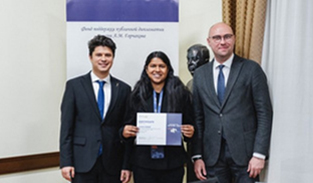
Finalist diploma, Eurasia Prize, Moscow 2026 |
“Russia — My Soul” festival, New Delhi, April 2025 |

|
Presenting the project at the Eurasia ceremony |
The website soulindorus.site in three languages |
|
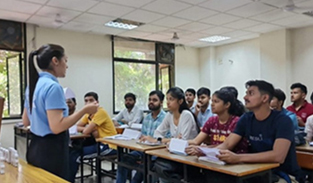
A Russian language class |
“Dialogue for the Future 2025,” Moscow |
|
“Ambassadors of the Russian Language” programme |
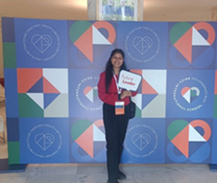
BRICS International School, New Delhi |
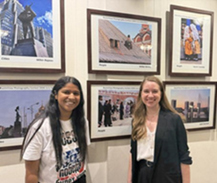
“RusInView” photo contest exhibition |