


Все на урок!
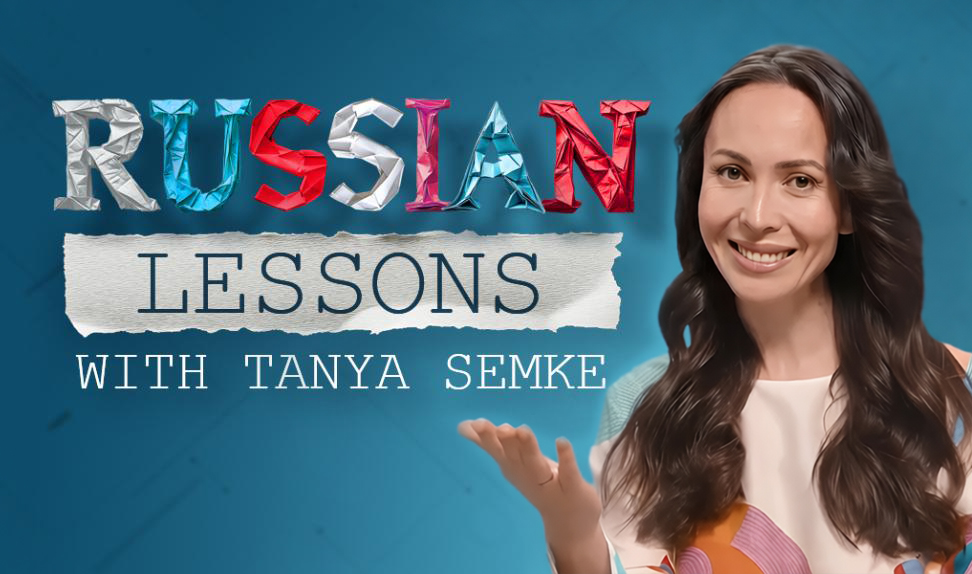
Продолжаем пополнять цикл «Уроки русского с Таней Сёмке». Новые образовательные видеоролики помогут пополнить словарный запас, научат правильно интонировать и находить нужные слова в разных житейских ситуациях.
RUSSIAN LESSONS WITH TANYA SEMKE
Lesson 68. Showing off your skills
In this lesson, you’ll learn how to confidently show off your skills, when introducing yourself in Russian. You’ll be able to say “I can,” “I know how to,” and “I’m good at” while talking about sports, musical instruments, singing, dancing, and painting.
Этот урок научит вас уверенно рассказывать о себе по-русски и говорить о своих навыках. Вы сможете сказать, что умеете делать, в чём вы хороши, и поговорить о спорте, музыке, пении, танцах и рисовании.
Lesson 69. More must-know action words
In addition to practical skiing advice from Tanya Semke, this lesson expands your vocabulary with useful action words like “smile”, “laugh”, “hope”, “do your best”, “get ready”, “get dressed”. and “fear” You’ll also learn how to discuss activities such as riding a horse, biking, scootering, skiing, ice skating.
Вместе с практическими советами по катанию на лыжах от Тани Сёмке вы выучите полезные глаголы: “smile” “laugh” “hope” “do your best” “get ready” “get dressed”, “fear” и другие. А ещё научитесь говорить о катании на лошади, велосипеде, самокате, лыжах и коньках.
Lesson 70. Asking about occupation
You’ll learn one powerful little question in Russian that lets you ask what someone does in life, what their job is, or what they enjoy doing in their free time.
Вы освоите один очень простой вопрос, который поможет узнать, чем человек занимается, где работает и что любит делать в свободное время.
Lesson 71. Talking about events attended
They say knowing how to say “no” is an essential skill — and it’s just as important in Russian. In this lesson, you’ll learn how to say “I can” and “I can’t,” along with practical phrases for real-life situations, like explaining why you can’t talk on the phone: “I can’t talk right now — I’m at work.”
Говорить «no» — важное умение в любой стране. В этом уроке вы научитесь говорить «I can» и «I can’t», а также объяснять реальные ситуации, например, почему вы не можете сейчас говорить по телефону.
Lesson 72. When something is allowed or prohibited
Understanding what’s acceptable — and what isn’t — is key when discovering a new culture. In this lesson, you’ll learn how to navigate modern Russian life using just two powerful words: “allowed” and “prohibited”.
Вы узнаете, как понять, что в России можно делать, а что нельзя, выучив всего два слова — «allowed» и «prohibited».
Lesson 73. One Russian word for ‘speak’ and ‘talk’
In this lesson, you’ll expand your vocabulary with frequently used action words like “call,” “speak,” “ask,” “remember,” and “learn.” As a bonus, you’ll learn handy phrases to say that you’re studying Russian and that you already speak a little Russian — and you’ll meet one of Tanya’s top students.
Вы расширите словарный запас новыми глаголами, научитесь говорить, что изучаете русский язык и уже немного на нём говорите, а также познакомитесь с одним из лучших учеников Тани Сёмке.
Lesson 74. How to say you speak a language
Tanya Semke wakes up terrified in the middle of a nightmare — and this lesson turns the experience into a learning opportunity. You’ll learn how to ask if someone speaks a language and how to say that you speak Russian, Chinese, Arabic, Portuguese, English, Hindi, or Farsi.
Таня просыпается посреди кошмара — и даже это становится уроком русского! Вы научитесь спрашивать, говорит ли человек на разных языках, и рассказывать, на каких языках говорите вы сами.
Lesson 75. How to talk about love?
Discover how love works in Russian in this short and fascinating lesson. You’ll learn how to talk about what you and others love — and see how the Russian language reflects the powerful idea that love transforms the person who is loved.
Вы узнаете, как говорить о любви по-русски и почему в русском языке любовь буквально «влияет» на того, кого любят.
Lesson 76. ‘Why?’ and ‘Because’ in Russian
In this lesson, Tanya and one of her top international students talk about the striking beauty of Russian women — while teaching you how to ask about and explain reasons in Russian. You’ll also hear the student describe why he decided to learn the language.
Во время этого урока Таня Сёмке и один из её лучших иностранных учеников обсуждают поразительную красоту русских женщин, одновременно обучая вас тому, как по-русски задавать вопросы о причинах и давать объяснения. Вы также услышите, как студент Тани рассказывает о том, почему он решил изучать русский язык.
This might be the funniest lesson yet! Watch the Russian language teacher struggle through a set of physical exercises while you learn to count from 1 to 10 in Russian and pick up some interesting insights about the Russian national character.
В этом одном из самых весёлых уроков вы увидите, как преподаватель русского пытается делать физические упражнения, и одновременно сможете выучить числа от 1 до 10, а также узнаете немного об особенностях русского характера.
Lesson 78. Asking ‘How much?’ and ‘How many?’
You’ll love learning that Russian makes things simpler: there’s no difference between asking “how much?” and “how many?” This lesson shows you how to use this handy feature to talk about prices, age, and time.
Вы приятно удивитесь: в русском языке один вопрос означает и «how much?», и «how many?». Это поможет вам научиться легко говорить о цене, возрасте и времени.